
Solar panel efficiency is a critical factor in maximizing the energy output of your solar system. Let’s delve into what solar panel efficiency entails, why it matters, and how it can impact your decision-making process when considering solar energy.
1. What is Solar Panel Efficiency?
Solar panel efficiency refers to the ability of a solar panel to convert sunlight into electricity. It is typically represented as a percentage and indicates the portion of sunlight that a solar panel can convert into usable electrical power. Higher efficiency panels can generate more electricity for a given area of sunlight exposure.

2. Why Does Solar Panel Efficiency Matter?
The efficiency of solar panels directly affects the overall performance and output of your solar energy system. Higher efficiency panels can produce more electricity in less space, making them ideal for installations with limited roof space or where maximizing energy production is a priority.
Additionally, solar panel efficiency impacts the economic viability of your solar investment. More efficient panels can generate greater electricity savings over their lifespan, potentially resulting in a faster return on investment and increased long-term financial benefits.
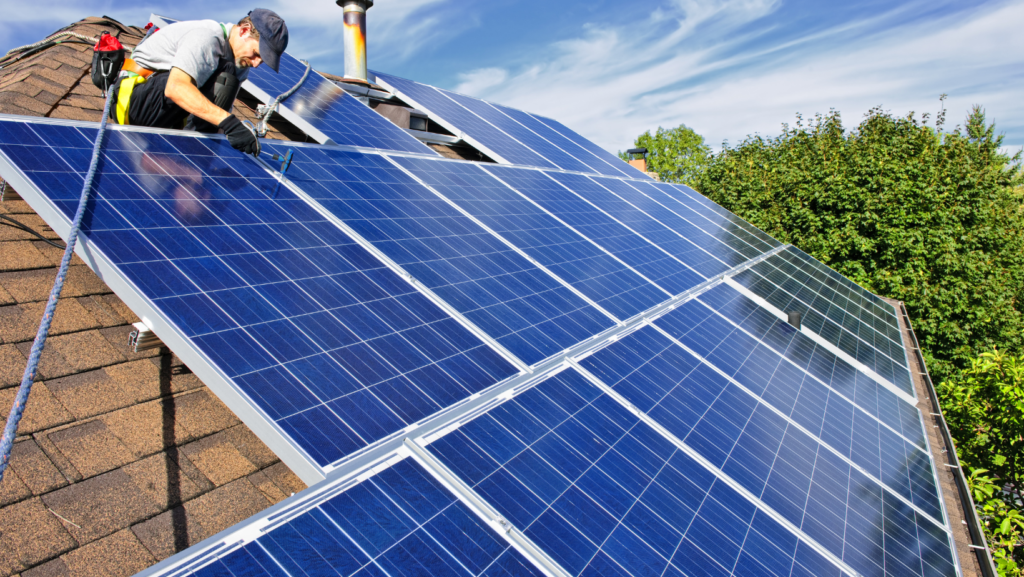
3. Factors Affecting Solar Panel Efficiency
Several factors influence the efficiency of solar panels, including:
- Material Quality: The quality of materials used in solar panel construction, such as silicon wafers and conductive materials, can impact efficiency.
- Cell Design: Advances in cell design, such as passivated emitter rear cell (PERC) technology, can improve light absorption and electron capture, enhancing overall efficiency.
- Temperature: Solar panel efficiency tends to decrease as temperatures rise, so panel performance in hot climates may differ from cooler regions.
- Shading and Obstructions: Shading from nearby trees, buildings, or other obstructions can reduce the amount of sunlight reaching solar panels, affecting efficiency.

4. Understanding Efficiency Ratings
When comparing solar panels, it’s essential to understand efficiency ratings. Standard silicon-based solar panels typically have efficiencies ranging from 15% to 20%, while premium panels may achieve efficiencies upwards of 22% or more. However, higher efficiency panels often come with a higher upfront cost.
Consider factors such as your available roof space, budget, and energy goals when selecting solar panels. In some cases, investing in higher efficiency panels may be warranted, especially if space is limited or if maximizing energy production is a priority.
Solar panel efficiency plays a crucial role in determining the performance, output, and economic viability of your solar energy system. By understanding the factors influencing efficiency and the significance of efficiency ratings, you can make informed decisions when choosing solar panels for your home or business.
Ultimately, the goal is to strike a balance between efficiency, cost, and performance to maximize the benefits of solar energy for your unique needs and circumstances. With advances in technology and ongoing innovations in solar panel design, the future of solar energy looks brighter than ever.
Invest wisely in solar panel efficiency today to reap the rewards of clean, renewable energy for years to come.
Would you like to explore any specific aspect of solar panel efficiency further? Feel free to contact us via our contact page.
Please follow us on facebook for regular updates on our work and the industry.